



What is AMD?
AMD—age-related macular degeneration—is a disease that affects the eyes. Macular degeneration is when the macula, a small part in the back of your eye, becomes damaged which starts to affect the central part of your vision.
The damage to the macula can happen over time and is due to many different factors like aging, genetics, damage from the sun, and the effects of smoking.
Eye Care with AMD
5 ways to support eyes with an AMD diagnosis

Eye Care with AMD
5 ways to support eyes with an AMD diagnosis


Understanding Dry vs Wet AMD
All AMD starts as dry AMD, and between 10-15% of people progress to wet AMD which is an advanced stage of the condition. Learn more about the differences here.
The AREDS 2 formula in PreserVision has been shown to help reduce the risk of progression for moderate-to-advanced AMD.* Because there is no cure to AMD, delaying progression is one way to help.


Making a Plan with Your Eye Doctor
Ask your eye doctor if an AREDS2 formula vitamin is right for you. Explore sightmatters.com for resources like an eye doctor discussion guide with ideas on how to navigate the conversation–because talking about your vision and eye health can be scary.
The old maxim, “Eat your carrots—they’re good for your eyes” had some validity. Nutrients in carrots can help, but dark leafy green vegetables contain higher levels of nutrients that might contribute to slowing the progression of your AMD. They’re not the only foods that may help you protect your vision—and there are other foods you should avoid or eat in moderation if you want to be good to your eyes.
What’s a Good Macular Degeneration Diet?
The AMD diet includes foods that contain healthy amounts of a number of specific vitamins, minerals and other nutrients. Eat plenty of fruits and vegetables, some fish, and nuts and seeds—a Mediterranean-style diet fits the bill fairly well. Just as important, the AMD diet avoids other foods that might contribute to chronic conditions associated with macular degeneration or that directly affect the eyes.
However good your diet, the National Eye Institute recommends a nutrient formula to help reduce the risk of AMD progression. Only AREDS2 formula eye vitamins contain that formula. Nevertheless, it’s always a good idea to get important nutrients through foods as well as supplements.
The best foods to eat for macular degeneration

Antioxidants
Vitamins A, C, and E. Antioxidants help your body fight cellular damage. For vitamin A, eat plenty of carotenoids, which include the “eye vitamins” lutein and zeaxanthin. They’re found in red-orange pigmented fruits and vegetables and dark leafy greens. Citrus delivers hefty doses of vitamin C. And nuts and seeds and their oils are rich in vitamin E.
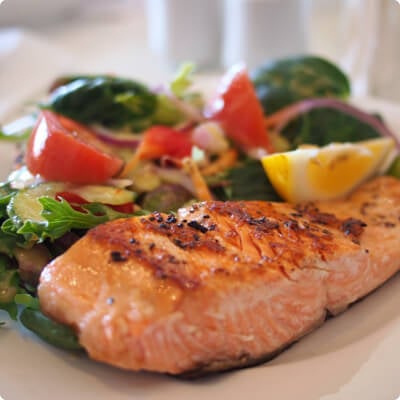
Omega-3 Fatty Acids
Three important Omega-3s are EPA and DHA, which are mainly found in fatty fish, and ALA, which is found in nuts and seeds. Omega-3s help your body fight inflammation, which researchers believe may play a role in AMD. These fatty acids can also help lower bad-cholesterol levels, which are linked with AMD.

Zinc and Copper
These trace minerals contribute to eye health directly and indirectly. For example, zinc helps your body absorb the antioxidant vitamin A and also regulates cellular function. Meats, shellfish and legumes such as chickpeas are high in zinc. For copper, eat plenty of dark leafy greens—again!—as well as nuts and seeds, legumes and eggs.
Foods to avoid with macular degeneration
No surprise: The same foods that clog the blood vessels of your heart are also a danger to the tiny blood vessels of your eyes. To protect your vision, avoid fast foods and go easy on the following, especially if you have high cholesterol:
- Processed foods that contain trans fats
- Tropical oils, like palm oil (use vitamin E–rich safflower and corn oil instead)
- Lard and vegetable shortening, and margarine
- High-fat dairy foods (eggs in moderation are a good source of eye-healthy nutrients)
- Fatty beef, pork and lamb
Give sweets and sugary drinks the boot, too, because they spark inflammation, which generates eye-damaging free radicals. Sugary foods and fatty ones are high in calories and a major contributor to obesity, which is linked to AMD.
Your AMD Diet Shopping List
This shopping list includes the top sources of the nutrients that make up the AMD diet along with foods that contain several of the nutrients you should be eating. Pick the foods you like best, and mix it up from week to week.
Talk to your doctor before making changes to your diet.
To print a copy of your shopping list, click here.